Baseball Clover St. Patrick’s Day: Designer Review
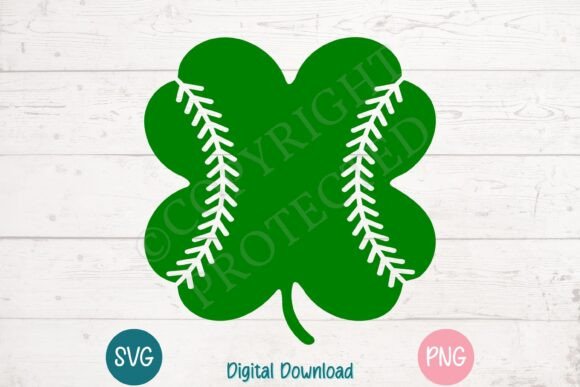
When I first pulled up Baseball Clover St. Patrick’s Day, I immediately saw a design that solves a very specific problem for crafters. Most St. Patrick’s Day embroidery leans heavily on leprechauns, pots of gold, or simple shamrocks. This one mixes the luck of the Irish with a clean, recognizable baseball motif. The result is a graphic that feels playful but not childish, festive but not overdone. You get a green shamrock with curved baseball stitching lines running through each leaf. It’s a smart crossover that can appeal to sports fans, Irish dancers, team moms, and anyone who wants a St. Paddy’s design that’s a little different.
As an embroidery product reviewer who has digitized and stitched thousands of designs for client projects, I look at this graphic through a very practical lens. A pretty image on screen doesn’t always translate well to thread and fabric. The question I always ask is: will this design make a finished product that someone would actually buy, wear, or gift? With Baseball Clover St. Patrick’s Day, the answer leans heavily toward yes, but only if you plan your project carefully.
First Look at the Baseball Clover Design
The graphic is built around a single central shamrock. The leaves are well-proportioned, and the baseball stitching detail is what gives the design its personality. The curved red stitch lines mimic the seams on a baseball, and they sit neatly inside the green clover shape. It’s a clean, high-contrast concept that immediately reads as “baseball meets Irish luck.” The mood is cheerful, a little sporty, and very wearable for a short holiday season.
Because the design is a graphics file, not a pre-digitized embroidery file, you’ll need to convert it into a machine embroidery design using your own digitizing software or work with a digitizer. That gives you control, but it also means the final stitch quality depends on how you interpret the shapes. The good news is that the shapes are simple: a few smooth curves, a few short lines, and no tiny text. That simplicity is a positive indicator for a clean stitch-out.
Why This Design Works for Holiday Craft Businesses
If you sell handmade products or run a small shop, you know that seasonal inventory needs to feel special without being too niche. Baseball Clover St. Patrick’s Day hits a sweet spot. It’s obviously tied to a single holiday, but the baseball twist makes it interesting beyond March 17th. A customer might buy a cap with this design for a St. Patrick’s Day parade, but they’ll also wear it to a spring training game or a casual weekend outing. That extended relevance means your products don’t feel like one-and-done purchases.
The Perfect St. Patrick’s Day Merchandise
I could see this design working beautifully on a range of products. A custom apparel piece like a soft green sweatshirt with the shamrock stitched on the left chest would appeal to boutique shoppers. A canvas tote bag with the design placed off-center gives a handmade, indie-shop feel. An embroidered patch sewn onto a denim jacket or a ball cap creates a subtle, starter conversation piece. For baby and toddler items, a small version on a white onesie or a knit beanie makes an adorable holiday gift that doesn’t scream “costume.”
From a seller’s perspective, the design’s visual clarity is a huge asset. In Etsy seller listings, customers scroll fast. A crisp, easily recognizable image gets clicked. The shamrock with baseball stitches stands out in a thumbnail, especially on a clean background. When you’re using this as a digital embroidery file preview or a printable mockup, the high-contrast green and red against a neutral fabric will capture attention. That can translate directly into better buyer engagement.
Stitching This Design: What to Expect
Since this is a graphic, you’ll need to digitize it. The main shapes suggest a combination of fill stitch for the shamrock leaves and satin stitch or a narrow running stitch for the baseball seams. I’d lean toward a satin stitch for the red lines to give them that raised, dimensional look that mimics a real baseball. The shamrock itself can be a solid fill with a nice satin border, or you could even explore an applique design approach where you place green fabric and stitch the baseball details over it. That would cut down on stitch count and give a unique texture.
Thread Colors and Contrast
Color choice is straightforward but critical. A vibrant kelly green is the obvious pick for the shamrock, and a true red or crimson for the stitching. But don’t just grab the first spool. I always test the green against the fabric you plan to use. On a dark green background, the shamrock might disappear. On a black sweatshirt, the green will pop, but the red lines might need a slightly lighter shade to stay visible. If you’re doing a tone-on-tone look, like a white shamrock on a white shirt with red stitching, you’ll want to add a thin outline around the leaves to keep the shape defined. Test your thread colors on a scrap of the actual fabric before you commit to a full run.
Fabric and Stabilizer Choices
This design is not overly dense, so it will play nicely with a range of fabrics. Cotton, canvas, denim, and sturdy knits are all good choices. Where you need to be careful is with very thin or stretchy fabric. A lightweight jersey t-shirt will require a quality stabilizer to prevent puckering, especially around the curved satin lines. I’d use a cutaway stabilizer for tees and a tear-away for woven fabrics like a tote bag or pillow cover. For a baby onesie, a soft mesh cutaway keeps the back of the embroidery comfortable against delicate skin.
Real-Life Project: Embroidering a Canvas Tote Bag
Let me walk through a scenario I actually considered when looking at this design. A small shop owner I know prepares for a spring craft fair every year. She likes to offer a few St. Patrick’s Day items that aren’t purely decorative. She decided to test Baseball Clover St. Patrick’s Day on a natural canvas tote bag. The plan was simple: stitch the design about 4 inches wide in the lower corner, leaving the rest of the bag plain. She digitized the shamrock as a fill stitch with a satin edge, and the red baseball lines as a 2mm satin stitch. She used a medium-weight tear-away stabilizer and hooped the bag carefully.
The result was a tote that looked like something you’d find in a boutique gift shop. The embroidery was crisp, the red stitching popped against the green shamrock, and the canvas gave the whole piece a nice, sturdy feel. At the fair, she sold every single one of those totes by early afternoon. Customers told her it was a “clever” design that they hadn’t seen before. That’s the kind of real-world feedback that tells you the design has product value and customer trust built in. It doesn’t just look good on a screen; it makes people smile when they see it stitched.
Where to Use Extra Caution
No design is perfect for every project, and Baseball Clover St. Patrick’s Day has a few spots where you need to be thoughtful. The baseball stitching lines are curved and relatively thin. If you make the design too small, those lines can become indistinct or break. I wouldn’t shrink this below about 2 inches wide. For a cap or hat embroidery, where the design surface is curved and small, consider enlarging the shamrock slightly or simplifying the interior lines. A small hoop size might force you to reduce the design, and that’s where the clarity can suffer.
Also, textured fabrics like terry cloth or a nubby linen can disrupt the clean edges of the shamrock leaves. If you want the baseball stitching to look sharp, stick to smoother fabrics. Dark fabrics are fine, but you may need to adjust the green thread to a slightly lighter or more saturated shade so it doesn’t get lost. And always think about how the finished product will be washed. A pillow cover or a kitchen towel will see frequent laundering, so the embroidery needs to be secure. Use a good stabilizer and consider a light topstitching or a backing if the item will be washed heavily.
Commercial Use and Licensing
Before you list a single product with this design, you must check the licensing terms. The product description provided here doesn’t specify whether the graphic is for personal use only, for limited commercial use, or if you can sell finished items without restrictions. As a craft business owner, you need to know exactly what you’re allowed to do. If you plan to sell embroidered sweatshirts, totes, patches, or personalized gifts on Etsy or at a market, confirm that the license permits commercial use. If you’re selling the digitized embroidery file itself, that’s a whole different level of licensing. Don’t assume. Reach out to the designer or check the product page. Your reputation and your shop’s integrity depend on it.
Final Design Notes from the Studio
After evaluating this graphic from every angle, I’d say Baseball Clover St. Patrick’s Day is a solid, versatile design for anyone who wants to create seasonal embroidery with a sporty twist. It’s not a complex, multi-layered piece, and that’s its strength. It stitches quickly, it reads clearly from a distance, and it makes people smile. The combination of a lucky shamrock and baseball stitching is simple enough to become a quick favorite in your embroidery project library, especially if you have a list of spring orders to fill.
My practical advice: test the digitized version on a scrap of the same fabric you’ll use for the final product. Test it in black and white if you want to see how it reads without color, just to check the shape. Review the stitch density on the fill; you don’t want it so heavy that it makes the fabric stiff. Confirm your hoop size can handle the scale you want. And always, always check the small details after stitching — the red lines should be unbroken and the shamrock outline crisp. When those details are right, the design goes from a simple graphic to a finished product that feels professional and giftable.
If you’re a creative entrepreneur looking for a fresh St. Patrick’s Day design that doesn’t fade into the sea of typical holiday motifs, this one deserves a spot in your next sample run. It’s charming, adaptable, and genuinely fun to stitch. Just remember that the real magic happens in the prep work: the right stabilizer, the right thread, and a few test stitch-outs. Do that, and you’ll have a design that looks as good on a tote bag as it does on a boutique sweatshirt.